 Book Tour
Hey there!
Book an on-site tour with us!
Book Tour
Book an on-site tour with us!
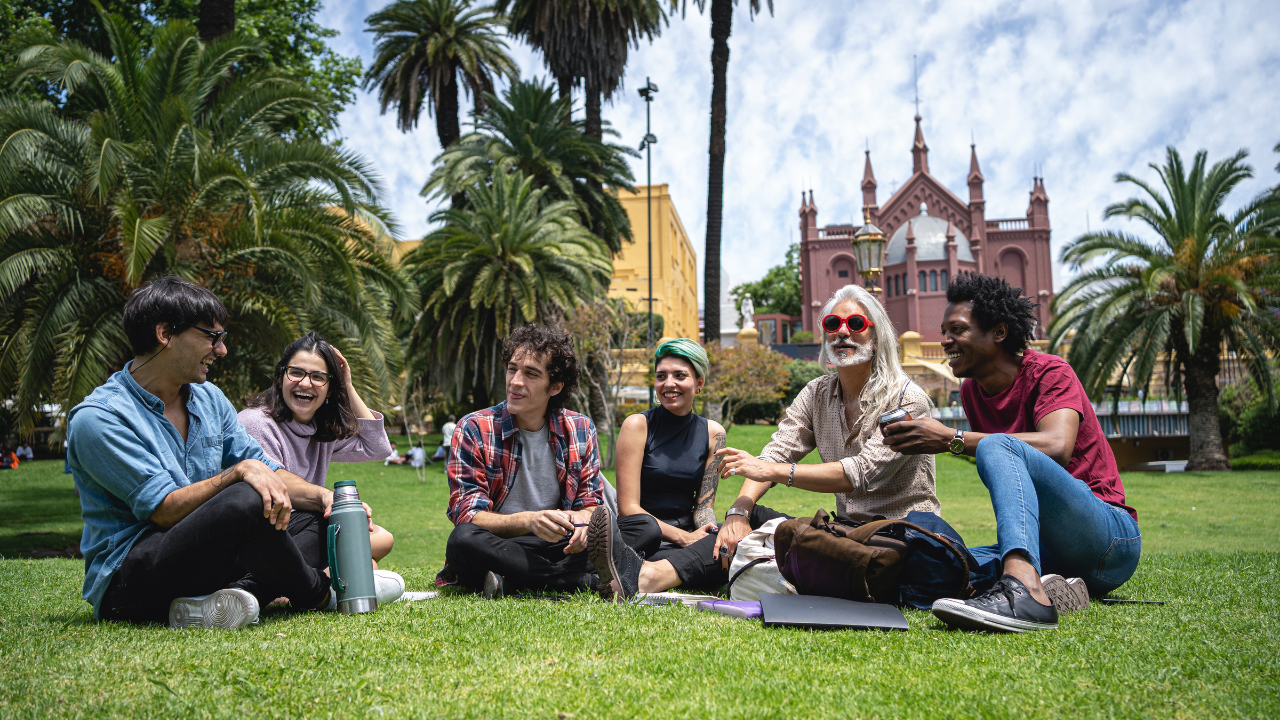
If you've just made the jump from high school to uni, welcome to a completely different way of counting down the days.
University holidays in Australia don't follow the neat four-term school calendar you grew up with — they're longer, more flexible, and come loaded with key dates that go well beyond just "when do I get to sleep in."
So, whether you're a fresh-faced first-year or an international student getting your head around the Aussie uni system, here are 7 things you actually need to know about how university holidays, semesters, and important dates work down under.
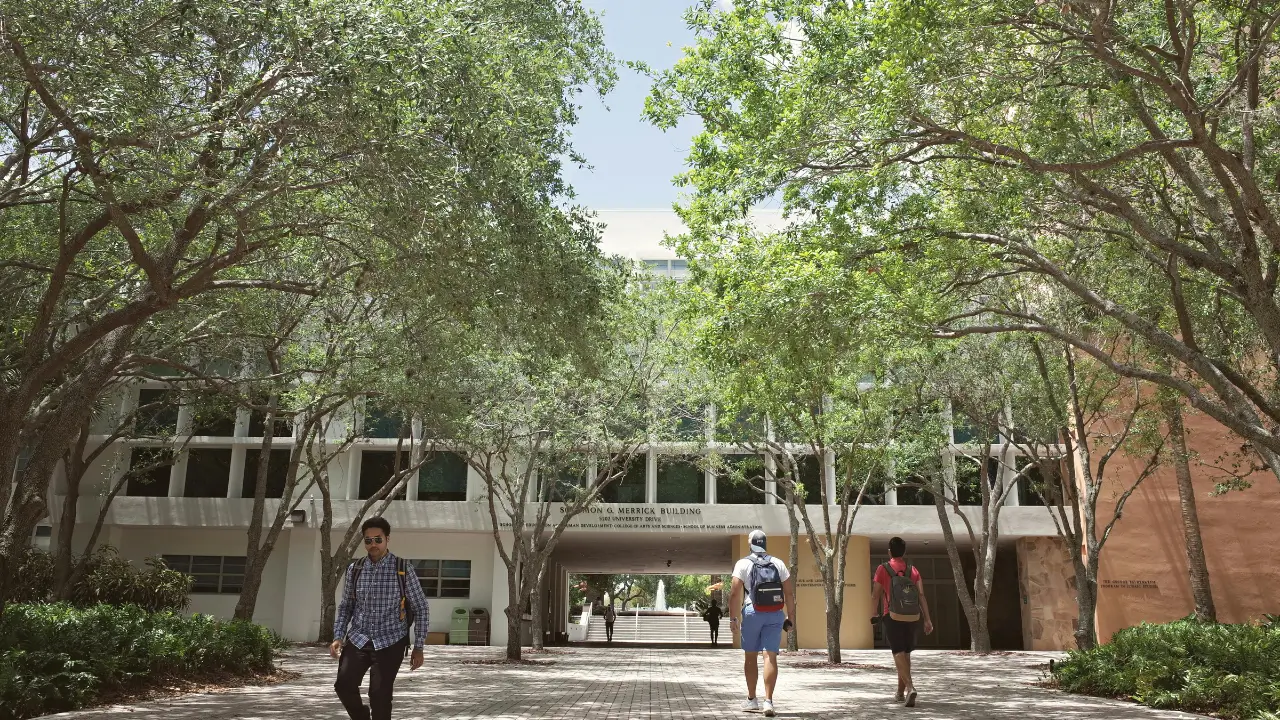
Before you start planning that post-exam road trip or booking flights home, let's nail the basics — how the academic calendar actually works in Australia.
Forget the four school terms you grew up with. Most Australian universities operate on a two-semester model: Semester 1 runs from late February to June, and Semester 2 from mid-July to November.
Those are your two main teaching blocks, with university holidays sitting in between and at either end.
Some universities, like UNSW, use a trimester system instead, splitting the year into three shorter teaching terms. If you're enrolled at UNSW, your calendar looks noticeably different from your mates at UTS or USyd, which matters when you're trying to plan anything together.
On top of regular study periods, many unis offer optional summer intensives running from around 29 Jan through February — useful for clearing units faster, but it will bite into your long summer break, so weigh it up before committing.
Here's the good news: the uni year isn't just two long slogs with one holiday at the end.
Each semester includes a mid-semester break (typically one week), and if you know where to look, you can make those specific dates work hard for you.
In 2026, Semester 1's mid-break falls around 6–12 Apr, which neatly overlaps with the Easter long weekend: Good Friday on 3 Apr, Easter Monday on 6 Apr, and the day after on 7 Apr. Stack that with a few study days on either side and you've got a decent stretch.
Then there's Australia Day on 26 Jan at the tail end of summer, the King's Birthday long weekend on 8 Jun for a welcome pre-exam breather, and the crown jewel: the long summer break running from mid-November all the way to late February.
Reckon that's enough time to recharge? It should be — if you don't let it disappear into procrastination season!

This is where things get a bit more serious. University holidays come with a set of admin-heavy important dates that can cost you — financially and academically — if you let them slip.
Let's talk about the census date; arguably the single most important date on your academic calendar, and the one that blindsides students every year.
The census date is the last date you can withdraw from a subject without copping a penalty.
Miss it, and two things happen: the financial penalty kicks in, meaning you're liable for full fees on that unit — HECS-HELP debt or upfront payment — regardless of whether you attended.
Then there's the academic penalty: a fail or "Withdrawn Fail" grade recorded on your academic transcript, permanently.
Census dates typically fall four to six weeks into each semester. In 2026:
Always refer to your specific uni's calendar for the exact due date, as it varies by institution and study period. It applies per subject, so if you're juggling multiple units and courses, track each due date individually.
Checking previous years' academic calendars can help you spot the pattern at your uni as they're usually consistent.
Here's something first-years consistently discover too late: enrolment for Semester 1 opens in November of the previous year, and class timetable selection goes live around late January — sometimes as early as 29 Jan.
That's before O-Week, before classes start, and well before most people are in "back to uni" mode.
Orientation weeks in 2026:
Students who haven't locked in their timetables by then are picking from the scraps — and that usually means an 8am Monday lecture in the furthest building on campus. For Semester 2, enrolment opens during the Semester 1 exam period in June, so you'll be managing both at once.
International students: your enrolled status and course load directly affect your visa, so getting the details and dates right isn't optional!
If you're still finding your footing in a new country on top of all this, International Student Life in Australia — What to Expect is a solid read before your first semester kicks off!

Sydney is home to some of Australia's top universities, and the inner city alone puts you within reach of several major campuses with slightly different academic calendars.
If you're staying at Y Suites on Margaret, you're close to the University of Sydney, UTS, and UNSW — all with their own specific dates that don't always line up.
UniversityTeaching ModelSem/Term 1 StartMid-Session BreakSem 1 Exams Sem/Term 2 StartExam WindowUTS2 Sem16 Feb6–10 Apr8–19 Jun27 Jul2–20 NovUSyd2 Sem23 Feb6–12 Apr9–20 Jun3 Aug16–28 NovUNSWTrimester (3 Terms)16 Feb (Term 1)Varies by termVaries by termMultiple termsVaries by term
*Note that the last day of UTS's Rescheduled and Alternative Exam Period, which runs 6–10 Jul.
This is why two students in the same building can be in completely different phases of their semester. So, don't copy your mate's holiday dates — bookmark your own!
For a national-level view, Universities Australia's teaching calendar maps out common vacation weeks across Australian universities, which is handy if you're planning around exchanges or interstate catch-ups.
Let's be honest: exams are not university holidays. They just feel like the end of the world at the time.
Semester 1 exam periods vary across Sydney unis:
Semester 2 / end-of-year exams:
One uniquely Sydney event worth knowing: UTS Employability Week falls around 25 Sep. It's not a traditional break, but teaching pauses so students can attend career events, industry panels, and networking sessions.
Once exams are done, the real reward kicks in: winter break from 29 Jun to 17 Jul (some to 20 Jul), and the long summer break from mid-November rolling into late February.
Map out your full year — both semesters, mid-session breaks, census dates, enrolment windows, exam blocks, public holidays, and events like Employability Week — and everything else clicks into place.
Travel bookings, work shifts, internship applications, and accommodation decisions become easier when you can see the whole year laid out.
To ensure you don't miss any important dates or deadlines, set phone reminders!
For Sydney students specifically, knowing your study periods and breaks early also means deciding whether to stay in the city over winter (29 Jun–20 Jul) or summer (mid-November–February).
Planning earlier on makes it a lot easier to take on internships, summer units, or casual shifts without scrambling for last-minute housing.

Your 2026 checklist! Do these now, cheers yourself later:

Your accommodation is like your base of operations, helping you pull through every semester, every mid-sem break, and every post-exam celebration.
And Y Suites on Margaret puts you steps away from USyd, UTS, and within easy reach of UNSW, with everything you need to make Sydney feel like home from day one.
What's more? Our all-inclusive rent covers:
✅ Premium, fully furnished student rooms and shared apartments, inclusive of Wi-Fi and utilities
✅ Full access to various common areas for socialising, studying, exercising, playing, and resting
✅ The opportunity to connect with other like-minded students from different prestigious universities through our community events
✅ Excellent security measures that ensure your personal safety
✅ Hassle-free customer service managed by our attentive and well-trained staff
So what are you waiting for? Don't miss out on this amazing opportunity to experience how student life should be.

Y Suites respectfully acknowledges the Traditional Custodians of the lands on which we live, learn, and work. We pay tribute to their Elders past, present, and emerging, and celebrate the enduring cultures and traditions of Aboriginal and Torres Strait Islander peoples. We are grateful for their ongoing contributions and connections to the lands, waters, and communities.